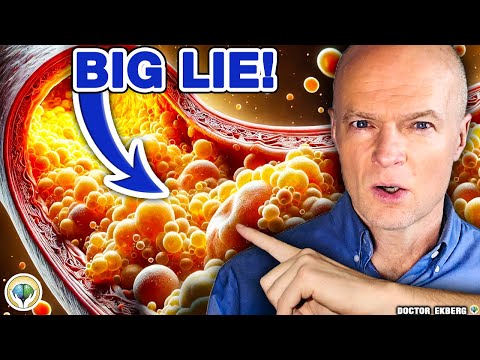
Cholesterol is a waxy, fat-like substance your body needs to make hormones, vitamin D, and digest food. It travels through the bloodstream attached to proteins in lipoproteins: low-density lipoprotein (LDL) is the "bad" kind that can form plaque in arteries, while high-density lipoprotein (HDL) is the "good" kind that helps remove excess cholesterol. High levels of LDL cholesterol can lead to plaque buildup (atherosclerosis), which narrows arteries and increases the risk of heart disease and stroke. What cholesterol is Essential substance: Cholesterol is a vital, waxy substance produced by the body and also found in animal-based foods. Body's needs: It's essential for building cell membranes, producing hormones, and aiding in digestion. Lipoproteins: Since cholesterol is a fat and can't travel alone in the blood, it's packaged with proteins into lipoproteins. Types of lipoproteins LDL (Low-Density Lipoprotein): Often called "bad" cholesterol. High levels of LDL can build up on the walls of your arteries, forming plaque that can block blood flow. HDL (High-Density Lipoprotein): Referred to as "good" cholesterol. It transports excess cholesterol from your body back to your liver for removal. If you want to know more about this topic Check video -https://youtube.com/shorts/_epPmrK_9TY?si=agboEcwtTRXu_5Yv

Cholestrol: LDL&HDL Explained Simply!
#cholestrol #medickpidia #health #healthandwellness #healthylifestyle #heartattack #bloodclot #wellness