Were-Jaguar maskette
jade
c. 900-600 BCE
Olmec
Mexico
#handmade #carved #jade #olmec #werejaguar #maskette #precolumbian #ancientart #art #sculpture #transformation #relgion #ritual #magic #mesoamerica #mesoamericanjade #precolumbianjade #nephrite
Tlacolulan Palma
stone
c. 300-900 CE
Totonac culture
Mexico
Palmas are believed to have functioned as court markers during the Mesoamerican ballgame, and thought to have been given as prizes to victorious players as well.
#palma #totonac #mesoamerica #precolumbian #tlacolulan #handmade #art #hand
#aztec #maya #jaguar #mesoamerica #mythology
felinefam.com/jaguars-in-m...
#Snakeman #NRGComics #Tarantulatribe #tarantula #tribe #indiecomics #comicbooks #originalcharacters #characterdesign #villains #superheroes #spiders #shadowshaman #birdeater #mesoamerica #aztecmythology #mayanmythology #jungle #amazon #spiderman #manspider #mystic #monster #creature #beast
The Ahuizotl is a mythical, dog-like aquatic creature from Aztec folklore known for drowning victims using a human-like hand on its tail, symbolizing a "spiny aquatic thing". It served as a guardian of sacred waters, dragging people down to serve the water god Tlaloc. This shield (Aztec - chimalli) was used for ceremonial purposes, and was constructed of various animal skins and furs, attached to a wood frame using plant materials, and decorated with various pigments and gold decoration.
'Ahuizotl' Shield (Chīmalli)
animal skin, fur, plants, pigments, gold
c. 1325-1501 CE
Aztec culture
Mexico
In Aztec mythology, an ahuizotl was a guardian of the sacred waters of Lake Texcoco.
#aztec #culture #handmade #shield #chimalli #ahuizotl #mesoamerica #mexico #guardian #mythology #art
Painting of Nezahualcoyotl in war regalia, seated on a woven throne.
Nezahualcoyotl
#art #artist #illust #illustration #aztec #mesoamerica #mexico #history #texcoco
Do you call lemons limes? I know that what you call a lime is a lemon for me and what I call a lime its something you don´t know. #macoatl #comic #webcomic #mesoamerica tapas.io/episode/3850...
Effigy vessel representing a land crab. Culture: Colima (Comala phase). Place of origin: Western Mexico. Date: c. 100 BC-250 AD. Medium: Ceramic with brick-red slip and black oxides. Collection & Photo Credit: Binoche and Giquello, Paris. This vessel captures a land crab in a moment of defense. The artist didn't aim for biological rigidity but rather an inflated vitality. The body is bulbous and smooth, swelling with an internal pressure that makes the clay appear almost pneumatic. It rears back on its legs, hoisting its heavy claws upward in a warning posture. A tall spout rises from the back of the carapace, indicating that this wasn't just a statue but a functional container, likely designed to hold liquid. The deep, glossy red finish is the signature of the Comala phase. Potters achieved this not with glaze, but by applying a slip and carefully burnishing the surface with a smooth stone before firing. The Colima culture didn't build massive pyramids like their Maya neighbors. Instead, they dug Shaft Tombs. These vertical wells plunged up to 60 feet (20 meters) into the earth. At the bottom of these deep, narrow shafts, they hollowed out chambers for their dead. Families placed these ceramic crabs in the tomb to accompany the deceased. In their worldview, the underworld was a watery realm. The crab, which lives on land but thrives in the water, was a natural guide for the soul. It could navigate the muddy transition between the living world and the spirit realm, ensuring the traveler found their way through the dark.
Crab vessel
terracotta
circa 100BCE to 300CE
Colima culture
Comala phase
Mexico
#handmade #terracotta #pottery #vessel #crab #colimaculture #comalaphase #mexico #mesoamerica #burial #funeral #funeraryvessel #shafttomb #religion #afterlife #journey #underworld #spiritguide #waterworld #transition
@metaactor.bsky.social This isn’t the past. This is a system resurfacing. #Zapotec #Oaxaca #Archaeology #AncientCivilizations #Mesoamerica #IndigenousHistory #CulturalHeritage #HiddenHistory #Smithsonian #ArchaeologyNews #AncientWorld #SacredSites www.facebook.com/share/p/1BYP...
#snakeman #NRGComics #Birdeater #indiecomics #comicbooks #superheroes #villains #originalcharacters #characterdesign #conceptart #monsters #spiderman #manspider #beasts #creature #latinamerica #mesoamerica #aztecmythology #mayanmythology #jungle #amazon #tarantulatribe #tarantula
#Snakeman #NRGComics #birdeater #spiders #indiecomics #comicbooks #superheroes #villains #tarantulatribe #tarantula #spiderman #originalcharacters #characterdesign #monster #beast #spidermonster #manspider #creature #amazonjungle #mesoamerica #aztecmythology #mayanmythology #jungle #rainforest
March 31st, 2026 - Today's Pinup features Chel from 'The Road to El Dorado', who has gotten Fat off the wealth of her kingdom in the 26 years following the release of the Film.
#RoadtoElDorado
#BBW
#MesoAmerica
Ceremonial Lithics in Classic Mesoamerica, edited by Zachary Hruby Ceremonial Lithics in Classic Mesoamerica explores how and why ceremonial lithic artifacts were made in ancient Mesoamerica’s Classic period, focusing on their implications for economic and sociopolitical organization.
An essential step toward understanding the ancient meanings imbued in material objects, Ceremonial Lithics in Classic Mesoamerica is 40% off this week with promo code HRUB26
upcolorado.com/university-p...
#obsidian #flint #artifact #iconography #epigraphy #ethnohistory #Maya #Mesoamerica
Totonac inspired Hawkman. Hero form with sash across his chest, helmet, and embroidered skirt. Civie form inspired by remojadas
CAW CAW! Birdman is here! 🦅 A Totonac Redesign of Hawkman as port of my #JusticeLeague of #Mesoamerica . #feddraws #mesoart
🦅 Another of many reincarnations
🦅 Unlike his fellow Volador dancers, he has real eagle wings
🦅 Skilled artisan by day, warrior by flight
This figurine is in the Jaina style, named after a small island off the coast of Campeche, Mexico. Jaina was a Maya center occupied from the Late Preclassic period (ca. 300 BCE–250 CE) to the Late Postclassic period (ca. 1200–1500 CE), with a peak population in the Late Classic (ca. 600–800 CE) and Terminal Classic (ca. 800–900 CE) periods. A large number of figurines and anthropomorphic whistles similar to this one have been recovered from the island. Like this example, figurines from Jaina are mold made, with individual details added by hand. They depict a variety of subjects, from seated young women to warriors to anthropomorphic beings. While many of these artifacts lack archaeological context, excavations have recovered figurines in the burials of adults and infants. Although this style of figurine is closely associated with Jaina Island, source testing of ceramic material in other museum collections indicates that Jaina-style figurines may have been produced and traded throughout Veracruz, Tabasco, Campeche, and Chiapas, Mexico. Jaina-style figurines seem to represent ideal “types” of people rather than individual portraits. The portliness of this figure, combined with his heavy jowls and protruding belly, suggest ties with the “Fat God,” a poorly understood character who appears throughout ancient Mesoamerican belief systems. Because his status as a deity is unclear, some scholars, such as archaeologist Christina Halperin, refer to him as the “Fat Man.” First appearing in art from the Preclassic period, the “Fat Man” is a common figurine subject, characterized by his corpulent stomach, sagging jowls, and closed, puffy eyes. The “Fat Man” is associated with humor and musical performance, and in the Classic period he may have been a ritual clown, much like the court jester in Medieval Europe. In some examples he wears a textured bodysuit, dances, and holds a fan.
Fat Man figure
pottery, pigment
circa 600-800 CE
Maya culture
Jaina Island, Mexico
- the mythical Fat Man/God of the Maya!
#art #sculpture #handmade #pottery #Maya #mayanculture #jainaisland #mexico #mesoamerica #precolumbian #prehispanic #ancientart #ancientsculpture #fatman #fatgod #god #jester
Painting of a group of stray dogs, resting on the streets of Tenochtitlan
Tenochtitlan strays
#art #artist #illust #illustration #aztec #mesoamerica #mexico #history
A Mayan monkey tail spiral design, often found on Classic Period (300–850 AD) polychrome ceramics, primarily symbolizes the mythological transformation of the Hero Twins' older half-brothers into monkeys. It represents a blend of punishment, artistry, and the cyclical nature of life. The Popol Vuh Transformation: According to the Maya creation epic, the Hero Twins (Hunahpú and Ixbalanqué) tricked their arrogant older brothers, Hun Batz and Hun Chuen, into climbing a tree. The tree grew impossibly high, and when they tried to climb down, their sashes turned into tails. The spiral tail is a direct reference to this transformation moment. Following their transformation, the monkey brothers became the divine patrons of artists, scribes, musicians, and sculptors. Therefore, the motif often signifies creativity and the arts. The spiral itself, sometimes called Hunab Ku in this context, represents the continuous movement of energy, transformation, and the balance of the cosmos.
Monkey Tail spiral design plate
pottery, pigment
c. 300-800 CE
Maya culture
Mexico
#handmade #oneofakind #monkeytail #spiral #design #ancientart #pottery #Maya #mayanpottery #ancientpottery #mexico #mesoamerica #prehispanic #precolumbian #archeology #religion #culture #belief #transformation #art
Il volo sacro dei Totonachi, un rituale millenario capovolto tra il cielo e la terra
www.jacoporanieri.com/blog/?p=44163
#tradizioni #danze #religione #venerazione #aztechi #messico #mesoamerica #Veracruz #popoli #società #usanze #rituali #volo #salto #vertigini #pericolo #storia #colonialismo
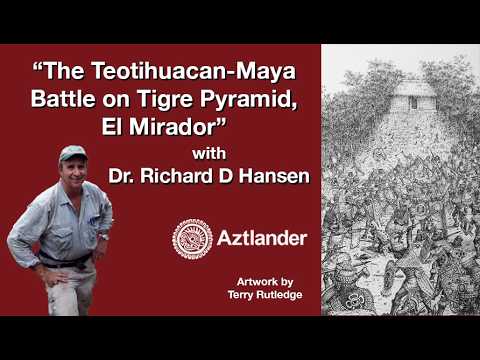
Aztlander lecture: "The Teotihuacan-Maya Battle on El Tigre at El Mirador" with Dr. Richard Hansen
youtu.be/Fg5iDAMGe38
#Mesoamerica
Xochipilli, the “Flower Prince,” was the god of flowers and patron of music, song, dance, and gambling. Under his other name, Macuilxochitl, he was also the patron deity of the ballgame, in which betting was a common practice. The god figure is seated with his legs drawn towards him and his arms resting across his knees. He wears a loincloth and sandals, and his head is adorned with the feather crest of the tropical quetzal bird, whose song is the first to be heard at dawn.
Xochipilli, the god of flowers, plants, and music
clay and pigments
1200-1400 CE
Aztec
Mexico
#handmade #ceramic #clay #pigments #religion #art #xochipilli #aztec #prince #god #flowers #plants #music #sport #mexico #mesoamerica #precolumbian #prehispanic #sculpture #ancientart #ancientmexico
#JusticeLeague of #Mesoamerica continues with Chichimec Green Arrow! 🏹Full piece is on my Kofi for now before public release.
#dccomics #mesoart #aztecbatman ko-fi.com/i/IP5P01WOAZO
Seated figure
carved greenstone
900-600 BCE
Olmec culture
Mexico
#handmade #carved #green #stone #seatedfigure #olmec #olmecculture #mesoamerica #ancientmexico #prehispanic #precolumbian #ancientculture #sculpture #art #ancientart #precolumbianjade #nephrite #stone #carvedstone
The Mesoamerican ballgame is among the most important and enduring cultural features of the Pre-Columbian world, and its accompanying accoutrements of yokes, hachas, and palmas comprise one of the most important categories of stone sculpture. The objects known as hachas, the Spanish word for “axes”, were originally named for their tapering form’s supposed resemblance to large stone axe heads. Like yokes and palmas, these enigmatic stone artifacts probably represent ritual effigies of actual ballgame equipment that was probably made of lighter and more perishable materials. These ceremonial objects in stone were evidently of high value, but many questions remain around the context in which they were originally used. The bold and assured carving of the present hacha illustrates several features that are particularly distinctive to hachas depicting bats. These include the large, pricked, ears, the depiction of the tragus, the fleshy form at the lower part of the ear, and the perforation in the upper half, which Shook and Marquis note “seldom occurs on specimens in other categories” (Edwin M. Shook and Elayne Marquis, op. cit., p. 77). Interestingly, this perforation is present on almost every hacha from the great Mayan city state of Palenque (ibid.). Although illustrating features distinctive to a bat, something in the powerful physiognomy of this hacha seems to suggest a snarling jaguar. This hacha differs from most depictions of jaguars in hachas – although the fleshy snout suggests the big cat more than the bat – but Shook and Marquis note the resemblance, and state that “perhaps bat/jaguar/serpent would more accurately describe this representation.” (ibid., p. 80). The serpent, which here arches up from the bat’s snout, its slithering head atop the bat’s ear, was a creature with “important mythological connotations, and often associated with water and rain.” (ibid., p. 171). Hachas with secondary representations are rare.
Snake-Bat-Cat Hacha
carved stone
circa 550-950 CE
Maya culture
Mexico
#hacha #maya #snake #bat #cat #zoomorphic #carved #stone #Maya #mayanculture #mesoamerica #palenque #mexico #ancientart #precolumbian #prehispanic #mesoamericanballgame #ceremonial #ritual #sculpture #art #mayanart #ancientmexico
Progress is slower than I anticipated, but thats partly because the chapter is action-heavy. You can support me on Patreon to make it possible! #webcomic #cuauhtli #fantasy #Aztec #Mesoamerica
#Snakeman #NRGComics #venusthetrapper #venus #trapper #maneater #indiecomics #comicbooks #superheroes #villains #hunter #poacher #animals #fauna #amazonjungle #jungle #originalcharacters #characterdesign #poisonivy #audrey #mesoamerica #latinamerica #venusflytrap #flytrap #vore #aztecmythology
painting of xochiquetzal
Xochiquetzal
#art #artist #illust #illustration #aztec #mesoamerica #mexico #mythology
#snakeman #NRGComics #bandit #mongoose #hunter #aztecmythology #jungles #originalcharacters #characterdesign #indiecomics #comicbooks #superheroes #villains #amazon #mesoamerica #latinamerica #amazon #kraven #vanpelt #quetzalcoatl #tombraider #treasure #unknowncircle
Learn more: uofupress.com/books/the-ur...
#NewRelease #UrbanStudies #Archaeology #Mesoamerica #AcademicBooks